Air duct cleaning for allergies in Dallas: does it help
Yes, duct cleaning helps Dallas allergies when dust, dander, and pollen have built up in the system. Here is what it removes, what it does not, and what it costs.
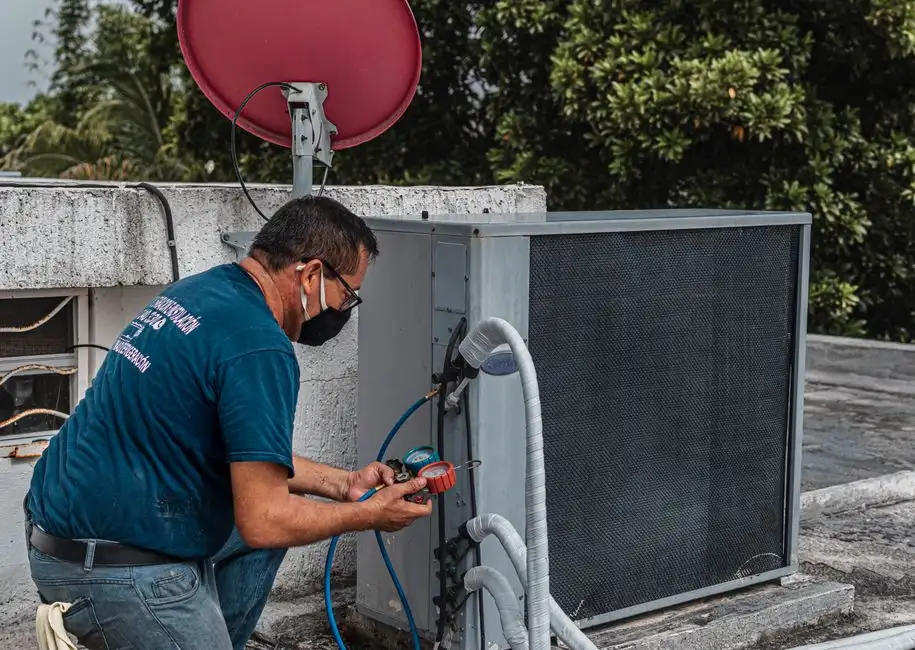
Air duct cleaning for allergies in Dallas does help, but only when the ducts are actually part of the problem. If your return grilles are caked with gray fuzz, your supply vents puff dust when the AC kicks on, and your sneezing tracks the HVAC cycle instead of the pollen count, cleaning will measurably cut what you breathe. If your ducts were cleaned two years ago and your symptoms are still full-force, the ducts are not your main issue and no amount of vacuuming will fix it.
That distinction matters more in Dallas than almost anywhere. We run our systems nine months a year, we sit in the middle of one of the worst fall allergy belts in the country, and a huge share of the housing stock was built before 1990 with ductwork that has never been touched. Below we cover what duct cleaning actually removes, what it does not, what it costs in 2026, and how often Dallas allergy sufferers should schedule it.
Does air duct cleaning really help with allergies in Dallas?
Air duct cleaning for allergies Dallas does it help is a fair question, and the honest answer is: it helps when the ducts are a reservoir, and it does very little when they are not. Air duct cleaning for allergies is a mechanical service that removes accumulated dust, dander, pollen, and microbial growth from the interior surfaces of your supply and return ductwork, the plenum, and the registers, so the air handler stops re-suspending that material every time it runs.
What we find on most Dallas jobs is a return-side problem. The return ducts pull air off the floor, off carpet, off pet beds, and off the top of the fridge, and they collect everything that gets past a cheap 1-inch filter. A single 14x25 return drop in a 1970s Richardson ranch house can hold two to three pounds of fine gray dust. Every time the blower starts, a fraction of that goes airborne again. That is the mechanism behind the "my allergies are worse inside than outside" complaint we hear constantly.
What duct cleaning does not do is remove allergens from your furniture, your carpet, or your mattress. It does not replace filtration. It does not fix a leaking evaporator coil that is feeding mold into the airstream. Those are separate problems with separate fixes, and we tell homeowners that up front rather than sell a cleaning that will not solve their symptom.
What actually lives inside Dallas air ducts
Dallas air ducts collect a specific mix of material that is different from what you would find in, say, Seattle or Minneapolis. Our climate runs hot and humid from May through September, our homes are sealed tight against 100-degree afternoons, and our allergy seasons stack on top of each other.
- Dust and lint: The base layer. Fine, gray, and sticky once it mixes with humidity.
- Pet dander: Dallas has one of the highest pet-ownership rates in the country. Dander is small enough to pass a standard filter and heavy enough to settle in the return drop.
- Pollen: Cedar in winter, oak and pecan in spring, ragweed and elm in fall. Every open-window day pulls pollen into the return.
- Dust mites: They live in your bedding and carpet, but their fecal pellets are light enough to be pulled into the return and re-circulated.
- Mold spores: Common in Dallas attics where duct runs sweat in August. If you have ever seen condensation on a flex duct in July, you have a spore source.
- Construction debris: Drywall dust and sawdust from remodels. We pull chunks of it out of ducts in new-build areas every week.
If you want to know what is actually in your air, indoor air quality services Dallas TX includes particle sampling before and after cleaning so you can see the delta rather than take our word for it.
How does duct cleaning reduce allergies in Dallas?
Duct cleaning reduces allergies in Dallas by removing the stored material that your HVAC system re-suspends every time it runs. The chain is simple: less material in the duct, less material in the air, fewer particles hitting your nasal passages overnight.
Here is what actually happens on a proper job:
- We put the system under negative pressure with a HEPA vacuum so loosened debris goes into the truck, not into your living room.
- We agitate every branch line with rotary brushes and compressed air whips, including the runs behind finished walls that most one-truck operations skip.
- We clean the plenum, the evaporator coil cabinet, and the blower wheel, because those are the surfaces the air touches last before it hits your vents.
- We pull and wash every supply register and return grille.
- We verify airflow at the furthest vent before we pack up.
Typical results we see on a first-time cleaning in an older Dallas home: 30 to 50 percent reduction in airborne particulate measured at the return, and a noticeable drop in the "dusty smell" when the AC first kicks on. That is the number that matters for allergy sufferers, because the first 30 seconds of a blower cycle is when the highest concentration of stored dust goes airborne.
If your ducts run through a hot attic or a below-grade space, those runs need extra attention. attic duct cleaning Dallas TX addresses the runs that bake all summer and collect the most debris, and basement air duct cleaning Dallas TX handles the cooler, damper runs where mold tends to take hold.
Pet dander, dust mites, and Dallas pollen season
Pet allergies and dust mite allergies respond to duct cleaning differently, and it helps to know which one you are fighting. Pet dander is a protein that sticks to dust particles. It settles in the return drop, on the blower wheel, and on the evaporator coil, and it stays there for years. Duct cleaning removes the reservoir, but if the dog still sleeps on your bed, you will still react at night.
Dust mites are a different story. They do not live in ducts. They live in fabric. But their fecal pellets are about 10 microns, small enough to stay airborne for 20 minutes after you disturb a pillow, and light enough that a running HVAC system pulls them into the return. Cleaning the ducts removes the accumulated pellet load in the system, which is why pet hair duct cleaning Dallas TX and standard allergy cleaning often go together in homes with both a dog and a mite-sensitive sleeper.
Dallas pollen season runs almost year-round. Cedar peaks in December and January, oak and pecan in March and April, grass in May and June, ragweed and elm in September and October. Every open-window day during those windows deposits pollen in your return. If you keep windows open in October, expect your ducts to need attention sooner than a neighbor who runs the AC year-round with the house sealed.
How much does allergy air duct cleaning cost in Dallas TX?
Allergy-focused air duct cleaning in Dallas in 2026 runs $350 to $700 for a typical single-family home, with most jobs landing around $450. That range covers the full system: supply and return runs, plenum, blower, coil cabinet, and all registers.
What moves the price:
- Number of vents: A 1,800-square-foot home usually has 12 to 16 supply vents and 2 to 3 returns. A 3,500-square-foot home in Plano can have 25 or more.
- Access: Ducts buried behind finished drywall or in a low attic add labor. We cut access panels only when there is no other way in.
- Contamination level: A first-time cleaning on a 1985 house with original flex duct takes longer than a maintenance clean on a 2018 build.
- Add-ons: Coil cleaning, sanitizing, and dryer vent cleaning are separate line items. A full package with HVAC coil cleaning Dallas TX typically adds $150 to $300.
We quote flat rates before we start, and we do not add charges mid-job. If you want the exact number for your house, we can ballpark it over the phone from your square footage and vent count.
How often should allergy sufferers clean ducts in Dallas?
Allergy sufferers in Dallas should clean ducts every three to five years, and every two to three years if there is a pet in the house, a recent remodel, or a household member with asthma. That is more frequent than the generic "every five to seven years" advice you will find on national sites, and the reason is our climate.
Dallas runs its HVAC system roughly 2,800 hours a year. A house in Portland runs closer to 1,200. More runtime means more air through the ducts, more dust pulled off the floor, and faster accumulation. Add a shedding dog and a spring pollen season, and the timeline compresses further.
Signs you are due, regardless of the calendar:
- Visible dust puffing from a supply vent when the AC starts.
- A musty or stale smell in the first minute of a cooling cycle.
- Dark streaks around the return grille.
- Allergy symptoms that are worse indoors than outdoors.
- A recent remodel, roof replacement, or pest issue.
If you are not sure, a $0 inspection is cheaper than guessing. Our team walks the system, checks the return drop and the coil cabinet, and tells you honestly whether you need a cleaning this year or can wait.
Common mistakes we see on allergy-driven duct jobs
The most common mistake Dallas homeowners make is hiring on price alone and getting a surface-level vacuum that never touches the branch runs. We follow behind those jobs regularly, and the ducts are still loaded.
Other mistakes:
- Cleaning the ducts but ignoring the coil. A dirty evaporator coil feeds mold and dust back into the airstream the moment the system runs. Clean both or neither.
- Using a 1-inch fiberglass filter. It catches maybe 10 percent of the particles that matter for allergies. Upgrade to a MERV 11 or 13 pleated filter and change it every 60 to 90 days in Dallas.
- Skipping the returns. The return side holds most of the debris. If a company only cleans the supplies, they did half the job.
- Sanitizing without cleaning first. Spraying a fogger into a dirty duct just coats the dust. Mechanical removal comes first, always.
- Ignoring the dryer vent. A clogged dryer vent dumps lint and moisture into the laundry area and can push particles back into the return. air duct and dryer vent cleaning Dallas TX handles both in one visit.
When to call a professional
Call a professional when you can see dust puffing from a vent, when the system smells musty on startup, or when allergy symptoms track your HVAC cycle rather than the outdoor pollen count. Those three signs point to the ducts as a source, and no filter upgrade will fix them.
Also call us if you have just finished a remodel, moved into a home built before 1990, or bought a house where the previous owner had pets. Those are the jobs where we find the most material, and the improvement is the most obvious.
Mendessa Works handles allergy-driven duct cleaning across Dallas, from Air duct Cleaning in Downtown Dallas high-rises with rooftop units to single-family homes in Oak Lawn air duct cleaning where the ductwork dates to the 1950s. We bring a HEPA vacuum, rotary agitation, and a camera, and we show you what came out before we leave.
Frequently Asked Questions
Does air duct cleaning really help with allergies in Dallas?
Yes, when the ducts are the reservoir. Cleaning removes stored dust, dander, and pollen that the blower re-suspends every cycle. If your ducts were cleaned recently and symptoms persist, the ducts are not your main source and cleaning will not help.
How much does allergy air duct cleaning cost in Dallas TX?
Most Dallas homes fall between $350 and $700 in 2026, with a typical job around $450. Price depends on vent count, access, and contamination level. Coil cleaning and sanitizing are separate line items.
How often should allergy sufferers clean ducts in Dallas?
Every three to five years for a standard home, every two to three years with pets, asthma, or a recent remodel. Dallas runs its HVAC roughly 2,800 hours a year, which is why we clean more often here than national guides suggest.
Can duct cleaning reduce dust mites in Dallas?
It reduces the dust mite pellet load in the ducts and the air, but it does not remove mites from bedding or carpet. Pair duct cleaning with mattress covers and weekly hot-water washing for the biggest drop in symptoms.
Is air duct cleaning worth it for allergies in Dallas Texas?
It is worth it if you have visible dust at the vents, a musty startup smell, or symptoms that are worse indoors. If none of those apply, spend the money on filtration and a coil cleaning first.
Get help with Air duct Cleaning in Dallas
If your allergies track your HVAC cycle, the ducts are worth a look. We will inspect the system, show you what is in it, and quote a flat rate before we start. Call Mendessa Works at (855) 947-6462 to schedule your Dallas allergy duct cleaning.